Description
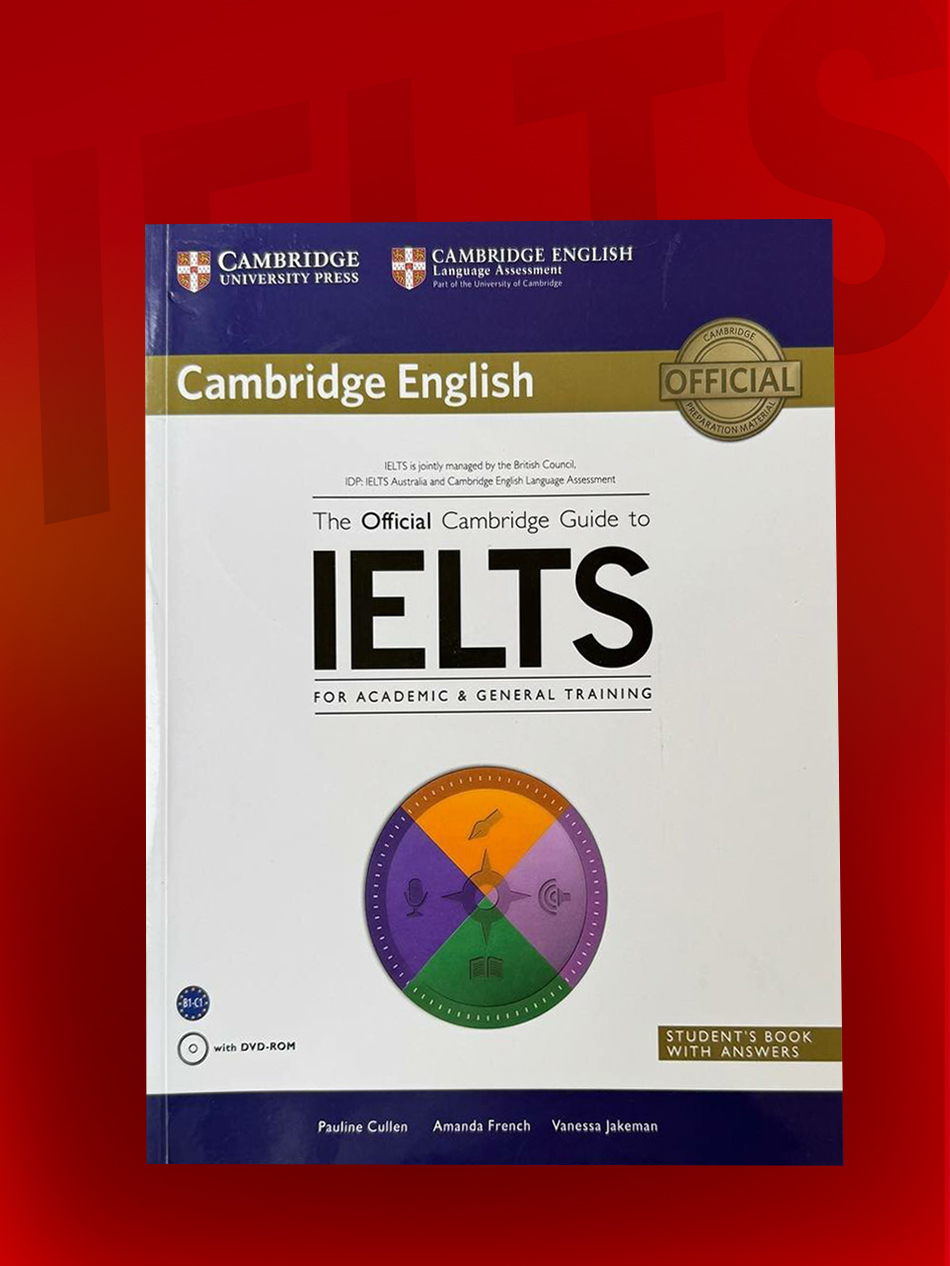
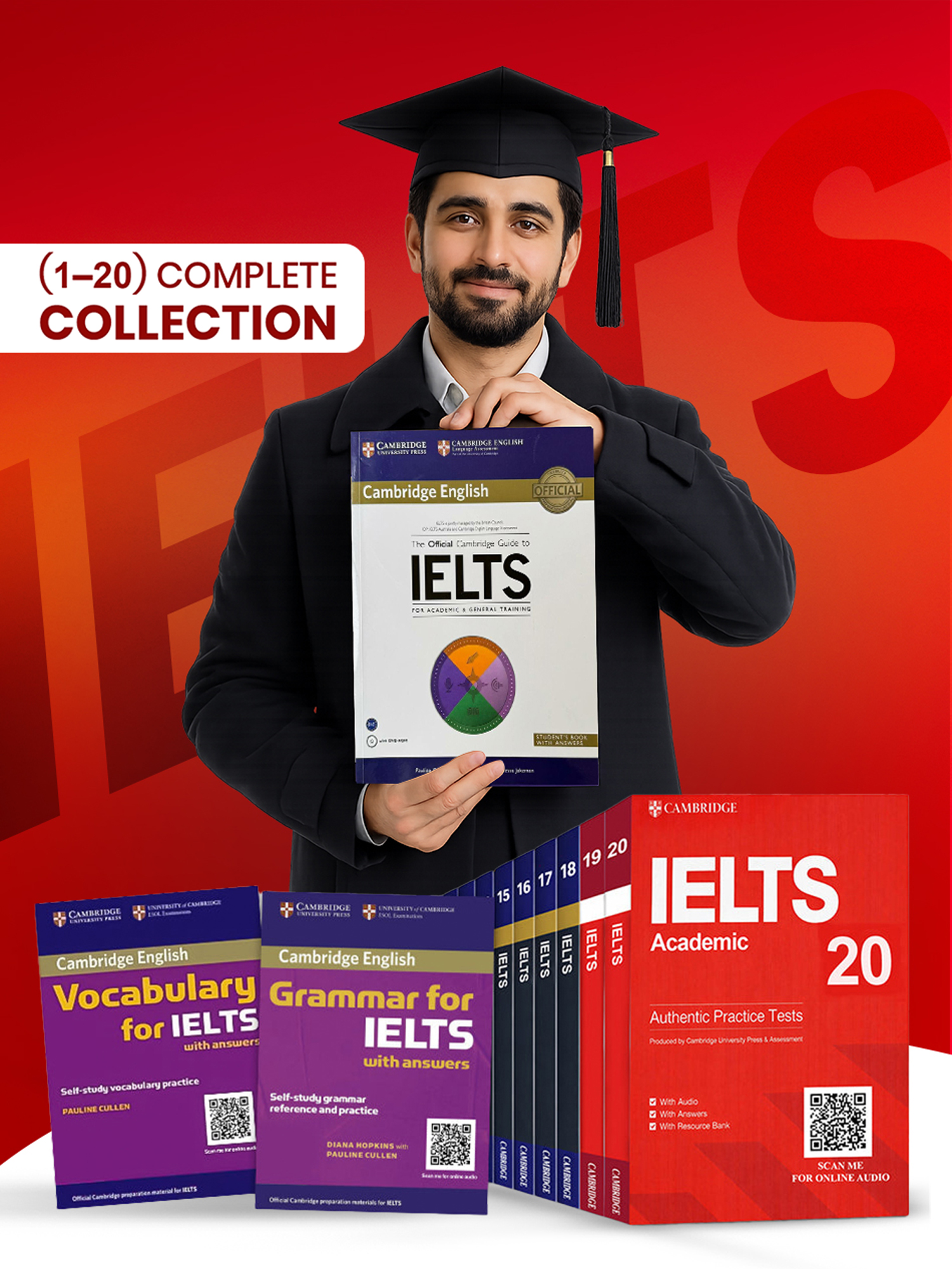
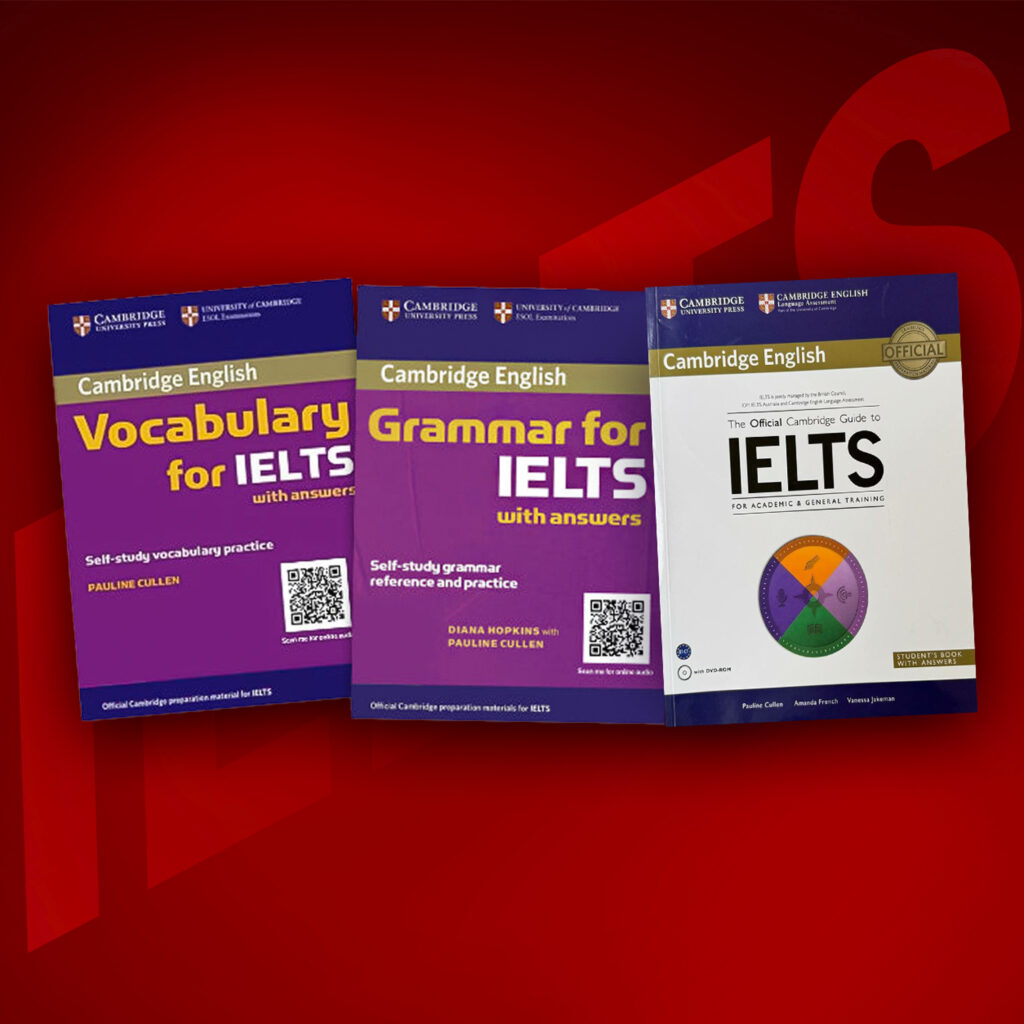
The Official Cambridge Guide to IELTS
The Official Cambridge Guide to IELTS is a comprehensive preparation resource for candidates who want to understand the IELTS test format, develop effective exam strategies, and practise all four language skills. It supports preparation for Listening, Reading, Writing, and Speaking while helping students become more familiar with the types of tasks they may face in the examination.
The guide is suitable for IELTS Academic and IELTS General Training candidates. It can be used by first-time test takers, students retaking IELTS, self-study learners, IELTS trainers, and candidates aiming for a higher band score.
Unlike resources that focus only on practice questions, The Official Cambridge Guide to IELTS combines skill development, exam techniques, guided exercises, and test-style practice. This makes it useful for learners who want a structured preparation plan instead of relying on unrelated online materials.
What Is The Official Cambridge Guide to IELTS?
The Official Cambridge Guide to IELTS is designed to help candidates understand how the test works and improve the skills required to perform effectively.
The guide may include:
- IELTS test-format explanations
- Listening strategies
- Reading techniques
- Writing guidance
- Speaking practice
- Academic and General Training support
- Exam-style exercises
- Practice tests
- Answer keys
- Sample responses
- Preparation tips
- Skill-building activities
- Common mistake guidance
- Test-day advice
The purpose of the guide is not simply to provide answers. It helps candidates understand why certain strategies work and how to apply them during preparation.
Who Can Use The Official Cambridge Guide to IELTS?
The Official Cambridge Guide to IELTS is suitable for a wide range of candidates, including:
- IELTS Academic students
- IELTS General Training candidates
- First-time IELTS test takers
- Candidates retaking the test
- Students applying to international universities
- Migration applicants
- Working professionals
- Scholarship applicants
- Professional registration candidates
- IELTS tutors
- Coaching institutes
- Independent learners
The guide can support beginners who need a complete introduction to IELTS and more experienced candidates who want to refine their strategies.
7 Powerful Benefits of The Official Cambridge Guide to IELTS
The Official Cambridge Guide to IELTS offers several practical benefits for students preparing for the examination.
1. Complete Preparation for All Four IELTS Skills
IELTS assesses four core language skills:
- Listening
- Reading
- Writing
- Speaking
The Official Cambridge Guide to IELTS provides preparation support for each module.
Instead of focusing on only one skill, candidates can build a balanced study plan and identify which areas require the most improvement.
This is especially important because a strong overall band score depends on performance across all four sections.
2. Clear Explanation of the IELTS Test Format
First-time candidates often feel confused because they do not fully understand the structure of the IELTS test.
The guide can help explain:
- The purpose of each module
- The order of the test
- Common question types
- Time limits
- Answer requirements
- Academic and General Training differences
- Speaking interview structure
- Writing task expectations
Understanding the test format can reduce anxiety and help students prepare more efficiently.
When candidates know what to expect, they can focus on answering questions instead of trying to understand instructions during the test.
3. Practical Test-Taking Strategies
The Official Cambridge Guide to IELTS provides strategies that can help candidates approach different tasks more effectively.
These strategies may include:
- Predicting Listening answers
- Identifying keywords
- Recognising distractors
- Skimming Reading passages
- Scanning for specific information
- Managing time
- Planning Writing responses
- Organising Speaking answers
- Reviewing answers efficiently
- Avoiding common mistakes
Test strategies are useful because strong English ability alone may not be enough if a candidate does not understand how to approach the examination.
4. Practice Tests and Exam-Style Questions
Practice tests are an important part of IELTS preparation.
The Official Cambridge Guide to IELTS may include test-style exercises that help candidates become familiar with:
- Question formats
- Test instructions
- Timed conditions
- Answer sheets
- Academic Reading tasks
- General Training Reading tasks
- Writing prompts
- Speaking questions
- Listening recordings
Regular practice helps students identify weaknesses and measure progress.
Candidates should not only complete the tests. They should also review mistakes and understand why an answer was incorrect.
5. Support for IELTS Academic and General Training
The Official Cambridge Guide to IELTS can support candidates preparing for both versions of the test.
IELTS Academic
IELTS Academic is commonly required for:
- University admission
- Higher education
- Scholarship applications
- Academic programmes
- Professional registration
IELTS General Training
IELTS General Training is commonly required for:
- Migration
- Overseas employment
- Permanent residency
- Workplace training
- General English certification
Listening and Speaking are similar in both versions, while Reading and Writing tasks differ.
A complete guide helps candidates understand these differences and prepare for the correct test format.
6. Suitable for Self-Study and Classroom Learning
The Official Cambridge Guide to IELTS can be used independently or as part of a training programme.
For Self-Study Learners
Independent candidates can use the guide to:
- Follow a weekly study plan
- Learn test strategies
- Complete practice exercises
- Review mistakes
- Track progress
- Improve weak modules
- Prepare for mock tests
- Build test confidence
For IELTS Trainers
Teachers and coaching institutes can use the guide to:
- Plan lessons
- Explain task types
- Assign homework
- Conduct practice tests
- Review student errors
- Support classroom discussions
- Prepare Speaking sessions
- Develop Writing exercises
Its structured format makes it useful for both personal study and guided training.
7. Builds Confidence Before the Official Test
Many candidates feel anxious because they are unfamiliar with the test.
The Official Cambridge Guide to IELTS helps students practise with structured materials and become more comfortable with exam-style tasks.
Confidence can improve when candidates:
- Understand the test structure
- Complete timed practice
- Recognise common question types
- Review repeated mistakes
- Follow a consistent study plan
- Experience full-length mock tests
- Know what to expect on test day
The guide cannot guarantee a specific band score, but it can help candidates prepare more confidently and systematically.
IELTS Listening Preparation
The IELTS Listening module requires candidates to understand spoken English in different situations.
The Official Cambridge Guide to IELTS may help students practise:
- Understanding different accents
- Identifying keywords
- Predicting answers
- Recognising distractors
- Following conversations
- Following lectures and monologues
- Completing notes
- Completing forms
- Answering multiple-choice questions
- Understanding maps and diagrams
- Improving spelling
- Managing time
Candidates should practise Listening without pausing the recording.
After checking the answers, students can replay difficult sections and identify missed words, unfamiliar expressions, and spelling problems.
IELTS Reading Preparation
The Reading section requires candidates to understand texts and locate information within a limited time.
The Official Cambridge Guide to IELTS may help students develop:
- Skimming skills
- Scanning techniques
- Paraphrase recognition
- Vocabulary awareness
- Time management
- Main-idea identification
- Detail recognition
- Sentence completion
- Summary completion
- Matching headings
- Multiple-choice strategies
- True, False, Not Given techniques
- Yes, No, Not Given strategies
Students should learn how to move efficiently through passages rather than reading every sentence slowly.
Regular Reading practice can improve both speed and accuracy.
IELTS Writing Preparation
Writing is one of the most challenging modules for many candidates.
The Official Cambridge Guide to IELTS may provide support for:
- Writing Task 1
- Writing Task 2
- Essay planning
- Introduction writing
- Paragraph structure
- Idea development
- Vocabulary use
- Grammar accuracy
- Coherence and cohesion
- Task achievement
- Task response
- Time management
Academic Writing Task 1
Academic candidates may need to describe:
- Graphs
- Charts
- Tables
- Maps
- Processes
- Diagrams
Candidates should learn how to identify key features, compare information, and write a clear overview.
General Training Writing Task 1
General Training candidates may need to write:
- Formal letters
- Semi-formal letters
- Informal letters
- Complaint letters
- Request letters
- Apology letters
- Invitation letters
Candidates should use the correct tone and organise the letter clearly.
Writing Task 2
Both Academic and General Training candidates complete an essay.
Practice may include:
- Opinion essays
- Discussion essays
- Problem and solution essays
- Advantages and disadvantages
- Two-part questions
- Cause-and-effect topics
Students should practise planning ideas before writing and reviewing grammar after completing the task.
IELTS Speaking Preparation
The Speaking test evaluates fluency, vocabulary, grammar, and pronunciation.
The Official Cambridge Guide to IELTS may help candidates prepare for:
Speaking Part 1
Candidates answer questions about familiar topics such as:
- Home
- Work
- Studies
- Family
- Hobbies
- Travel
- Food
- Technology
- Daily routines
Speaking Part 2
Candidates receive a cue card and speak for an extended period.
Topics may involve:
- A person
- A place
- An experience
- An object
- A decision
- A skill
- A journey
- An event
Speaking Part 3
Candidates discuss more complex ideas related to the Part 2 topic.
They may need to:
- Express opinions
- Explain causes
- Compare viewpoints
- Discuss advantages and disadvantages
- Predict future changes
- Support answers with examples
The guide can help students practise answering naturally rather than memorising complete responses.
How to Use The Official Cambridge Guide to IELTS Effectively
To get the best value from The Official Cambridge Guide to IELTS, candidates should follow a structured routine.
- Read the test-format overview.
- Identify your current strengths and weaknesses.
- Study one module at a time.
- Complete practice exercises.
- Review every incorrect answer.
- Record repeated mistakes.
- Practise Writing regularly.
- Record Speaking answers.
- Complete Listening without pausing.
- Time every Reading test.
- Take full-length mock tests.
- Review progress weekly.
- Repeat weak question types.
- Complete a final test before the official exam.
Candidates should avoid rushing through the guide.
The goal is not to finish every page quickly. The goal is to understand strategies, apply them, and improve performance.
Common IELTS Preparation Mistakes
Candidates often reduce the effectiveness of their preparation through avoidable mistakes.
Common problems include:
- Memorising answers
- Ignoring time limits
- Practising only strong modules
- Avoiding Writing feedback
- Not practising Speaking
- Using too many unrelated resources
- Failing to review mistakes
- Booking the test too early
- Completing tests without analysis
- Expecting instant improvement
The Official Cambridge Guide to IELTS can help provide a more organised study structure.
Why Choose The Official Cambridge Guide to IELTS?
The Official Cambridge Guide to IELTS provides broad preparation support in one resource.
It can help candidates:
- Understand the IELTS format
- Learn practical strategies
- Practise all four skills
- Identify weak areas
- Improve time management
- Build test confidence
- Prepare for Academic or General Training
- Complete exam-style exercises
- Develop a structured study plan
- Review mistakes
- Measure progress
- Prepare for mock tests
The guide is especially useful for candidates who want a combination of test information, skill development, and practical exercises.
Key Features
- Complete IELTS preparation
- Support for Listening, Reading, Writing, and Speaking
- Academic and General Training guidance
- Test-format explanations
- Exam strategies
- Practice exercises
- Test-style questions
- Answer guidance
- Writing support
- Speaking topics
- Reading strategies
- Listening techniques
- Time-management advice
- Suitable for self-study
- Useful for IELTS trainers
- Appropriate for first-time candidates
- Helpful for test retakes
Who Should Buy The Official Cambridge Guide to IELTS?
This guide may be suitable for:
- First-time IELTS candidates
- IELTS Academic students
- IELTS General Training candidates
- University applicants
- Migration candidates
- Scholarship applicants
- Working professionals
- Students retaking IELTS
- Candidates targeting Band 7 or above
- Independent learners
- IELTS teachers
- Coaching institutes
- Candidates who need a complete preparation resource
Order The Official Cambridge Guide to IELTS
Prepare more effectively for IELTS with The Official Cambridge Guide to IELTS.
Use its test strategies, guided exercises, practice questions, and skill-building activities to improve your Listening, Reading, Writing, and Speaking preparation.
Whether you are taking IELTS Academic or General Training, studying independently, or attending IELTS classes, this guide can help you build a more organised and confident preparation routine.
Order The Official Cambridge Guide to IELTS today and begin preparing for your target IELTS band score.
Also follow us on instagram and facebook.






Reviews
There are no reviews yet.